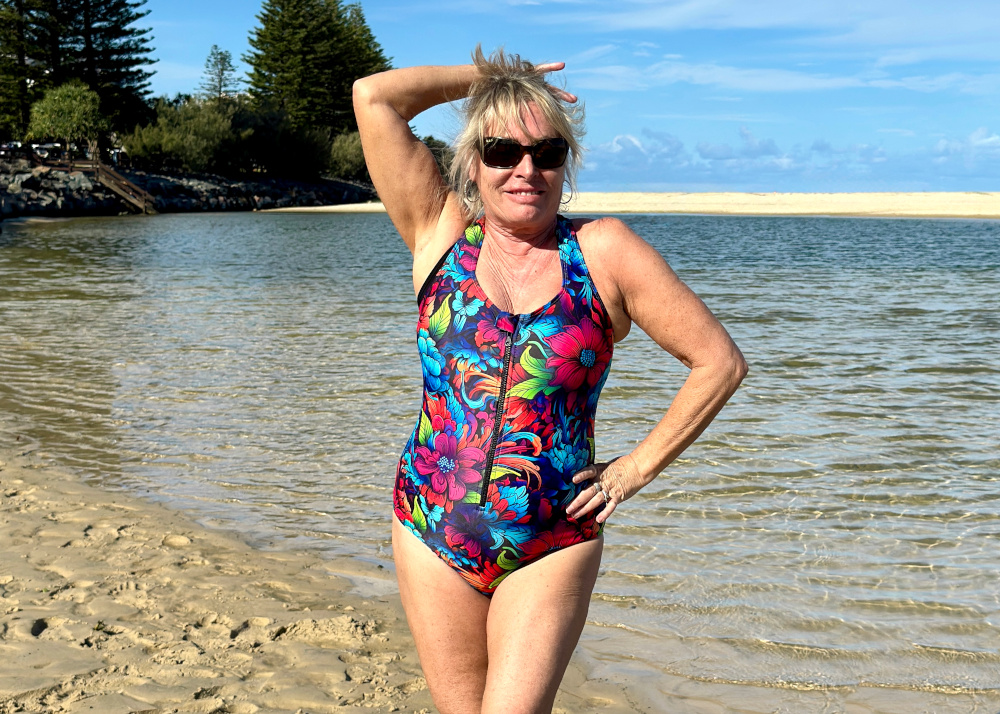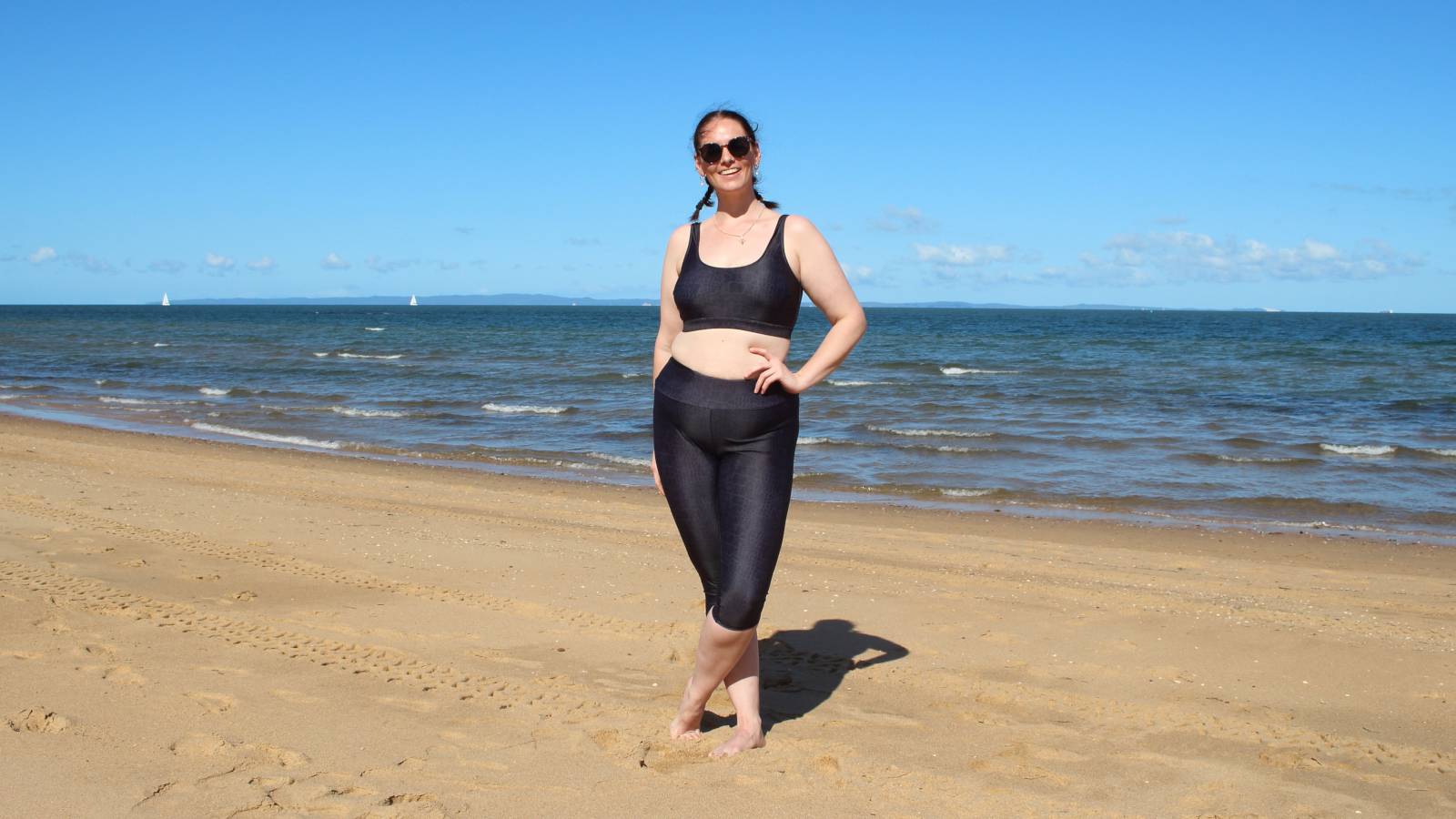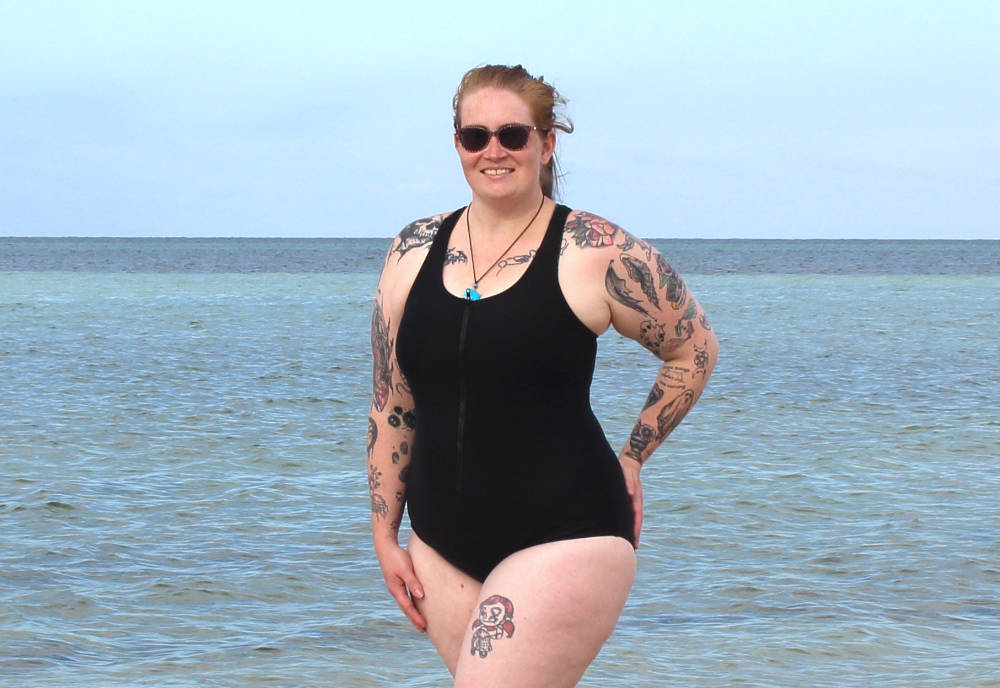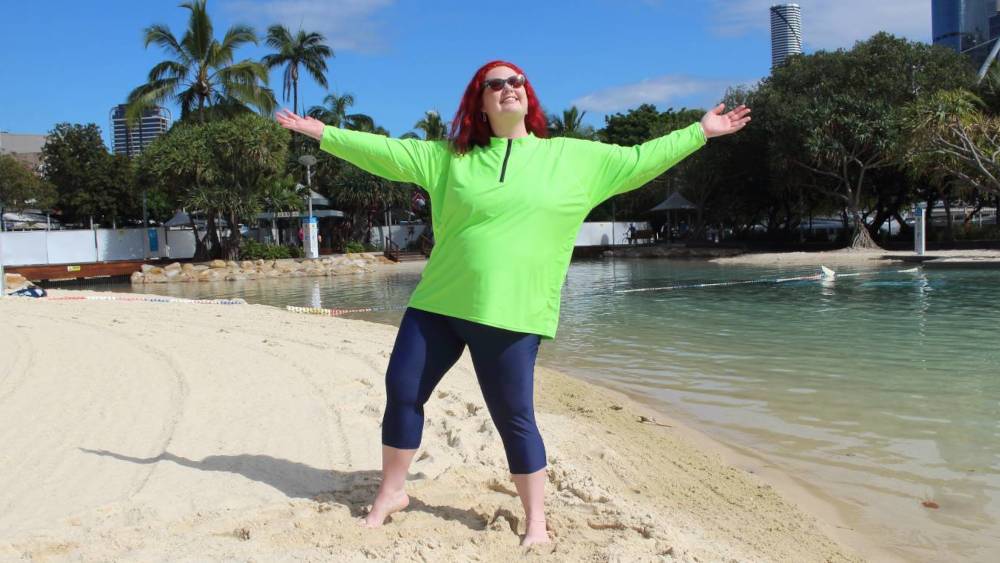
The Confidence of a Suit That Won’t Let You Down
If you’ve ever noticed your favorite swimsuit becoming thin, saggy, or losing its vibrant color after just a few trips to the pool, you aren’t alone. Chlorine is a powerful chemical designed to kill bacteria, but it is also a “silent killer” for standard swimwear fabrics.
The Quick Answer: Why is your suit getting ruined?
Chlorine is an oxidizer that attacks the molecular bonds of Lycra and Spandex. It strips the elastic of its “memory,” causing it to stretch out and never snap back. It also acts as a mild bleach, eating away at fabric dyes and thinning the material until it becomes see-through.
The Science: What Chlorine Actually Does to Fabric
Most high-end swimwear is prized for its stretch, which comes from elastane (Lycra). However, pool chemicals cause a reaction called “fiber rot.”
- Elastic Brittleness: Chlorine dries out the fibers, making them brittle. Once the fiber “snaps,” the suit lose its shape, this is why suits get “baggy” in the seat.
- Residual Crystallization: When chlorinated water evaporates from a dry suit, it leaves behind microscopic crystals. These sharp crystals shred the fabric from the inside out as you move.
- Color Stripping: Chlorine neutralizes the bond between the dye and the fabric, leading to premature fading.
5 Expert Tips to Stop Chlorine Damage Immediately
To keep your swimwear in “new” condition, follow this professional maintenance routine:
1. The “Fresh Water” Pre-Soak
Never put a dry swimsuit into a chlorinated pool. Your suit is like a sponge; if you soak it in fresh water first (in the shower), it cannot absorb as much of the pool’s chemicals. This is the #1 way to prevent damage.
2. The Instant Rinse
Even if you aren’t going to wash your suit immediately, rinse it in cold, fresh water the moment you step out of the pool. This removes the surface chlorine before it has a chance to settle and dry into crystals.
3. Neutralize with Vinegar
Once a week, soak your swimwear in a basin with 1 tablespoon of white vinegar per liter of water. The acetic acid neutralizes the alkaline chlorine and helps “lock” the colors into the fabric.
4. Avoid the “Wring and Hang”
Wringing your suit snaps the already-weakened elastic fibers. Instead, lay the suit flat on a towel, roll it up, and press down. Always air-dry in the shade—UV rays from the sun are just as damaging as the chlorine.
5. Choose the Right Fabric Technology
If you swim regularly, standard “fashion” swimwear won’t survive. You need a fabric designed for the environment.
The OceanRoad Difference: Comfort Meets Durability
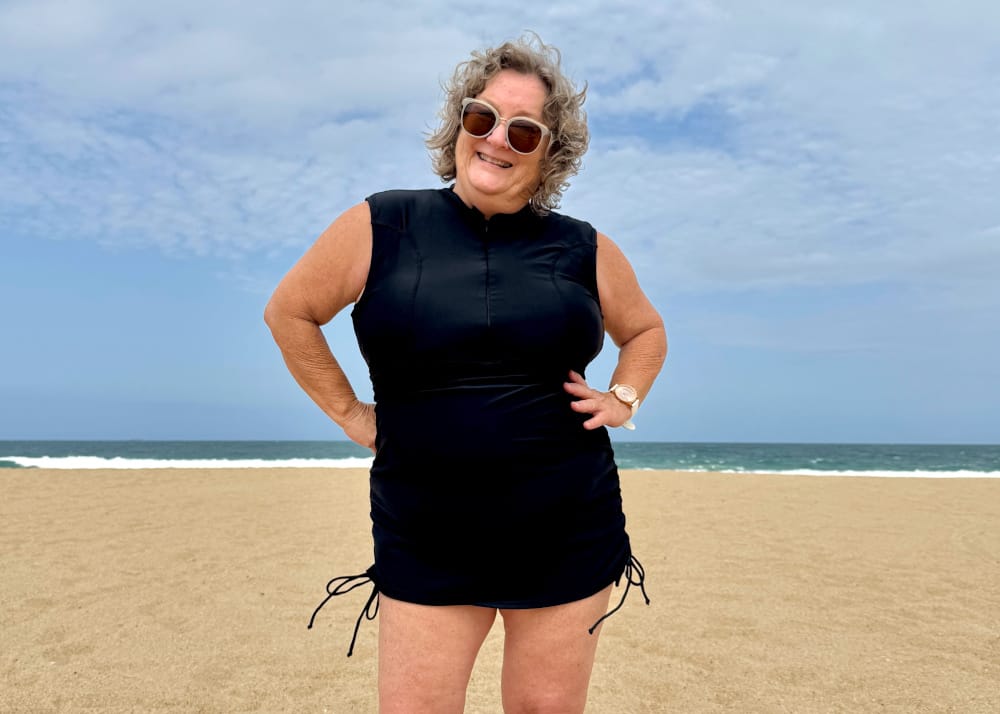
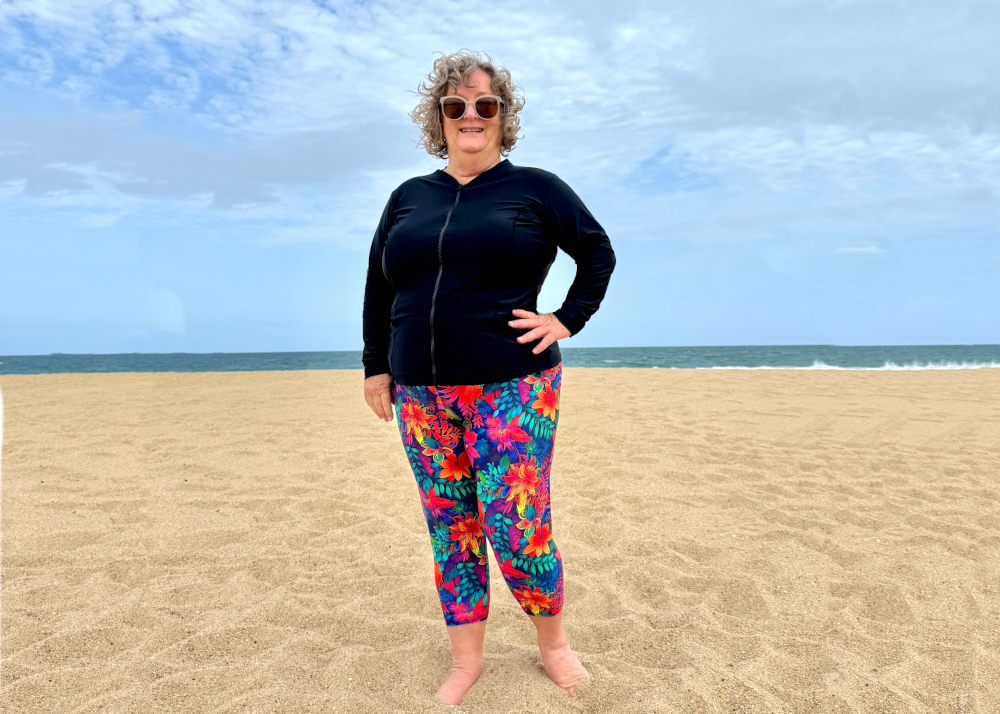
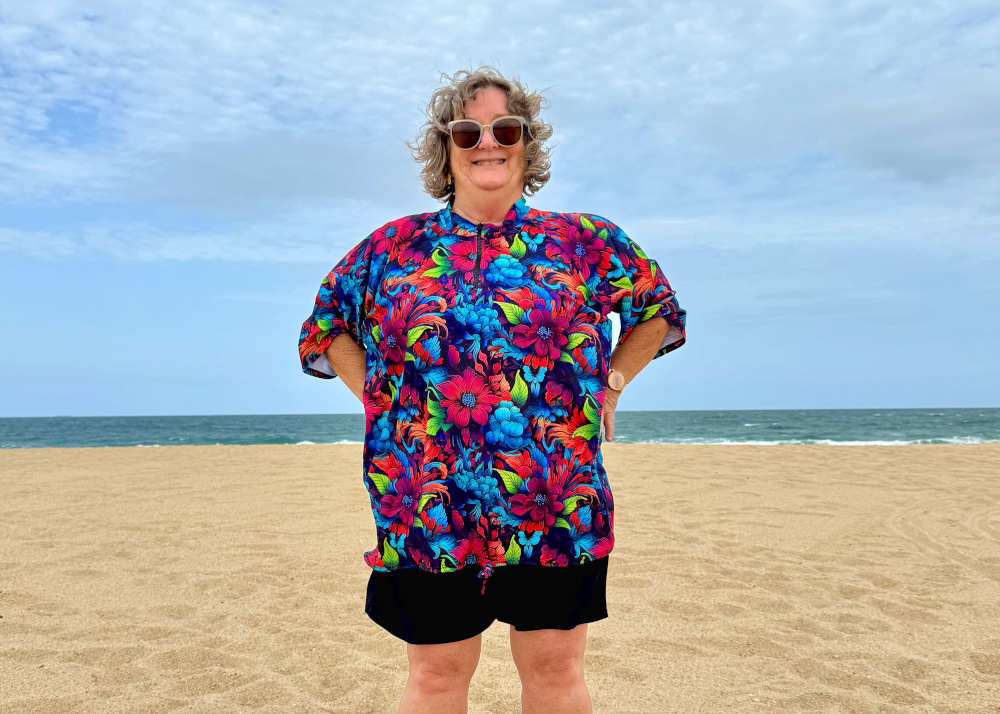
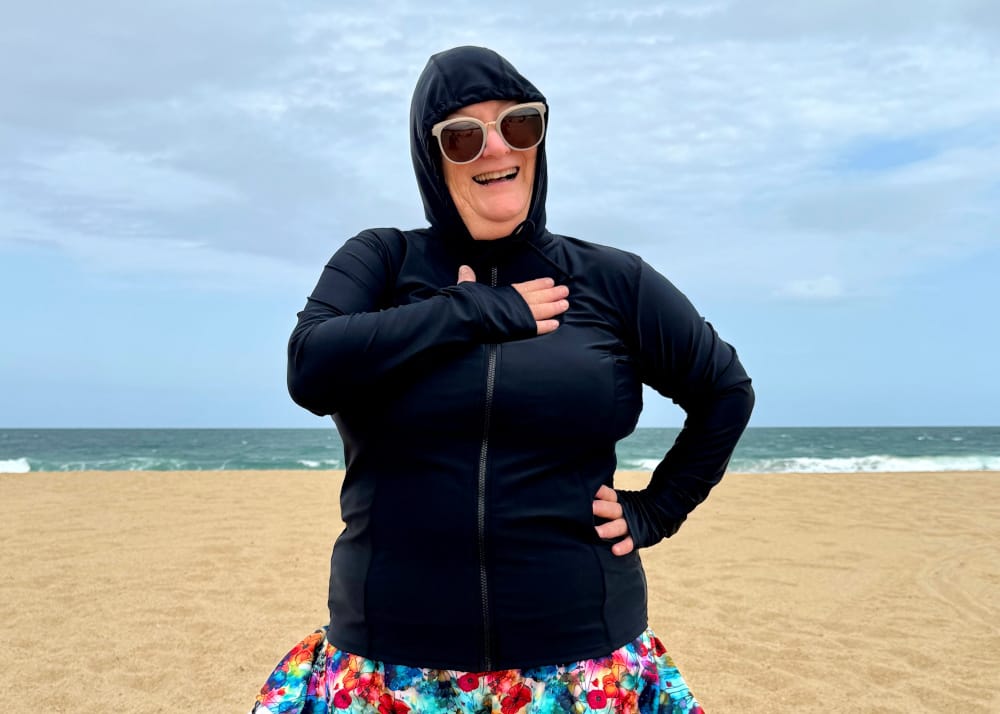
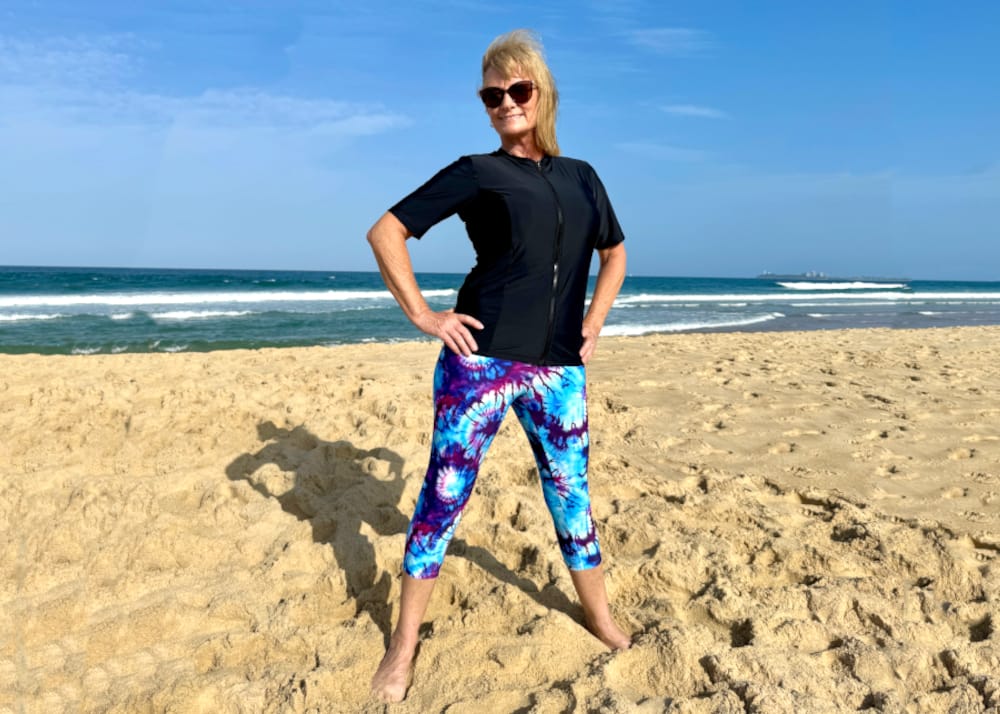
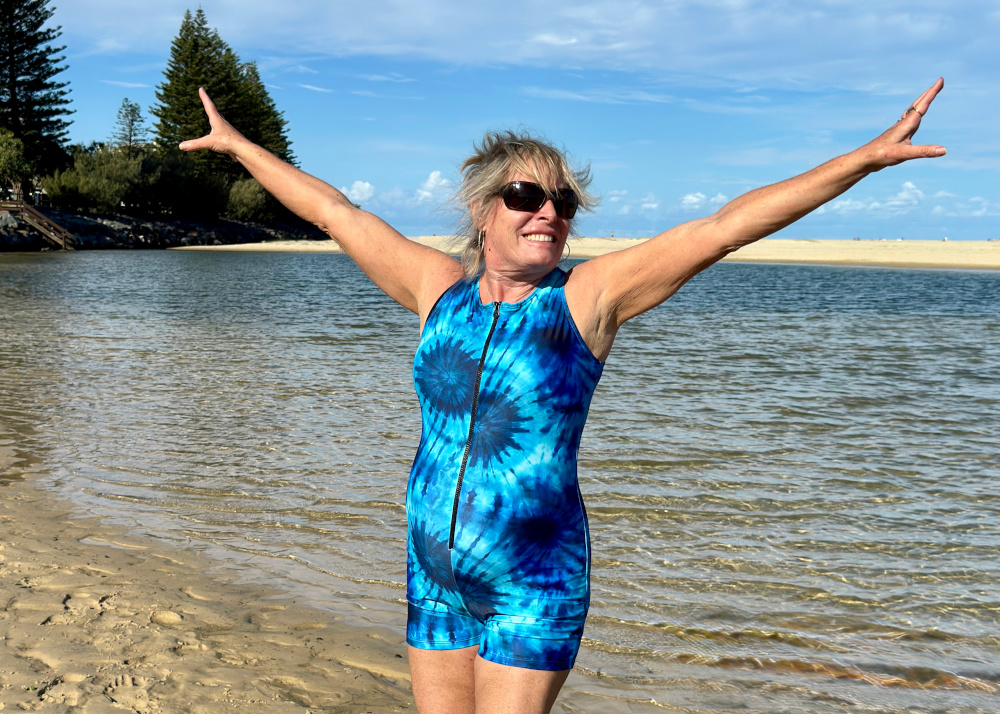
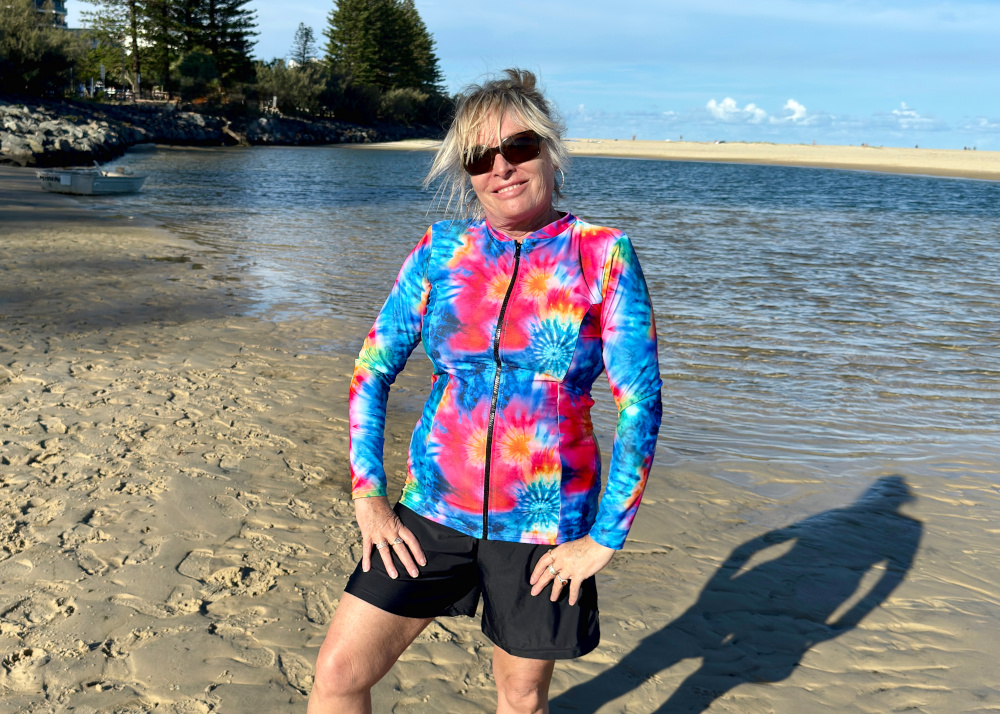
At OceanRoad Swimwear, we realized that most “durable” swimwear felt stiff and uncomfortable. That’s why we developed our Signature Chlorine-Treated Fabric.
Unlike standard Lycra, our fibers are treated with a protective polymer shield during the weaving process.
- Retains Lycra Stretch: You get the buttery-soft, body-contouring fit you love.
- Resists Fiber Rot: Our treatment prevents chlorine from penetrating the core of the elastic.
- Double the Lifespan: Our suits are engineered to stay “snappy” and bright, even for daily lap swimmers.
[Shop our Chlorine-Resistant Collection – Built to Last, Designed to Move]