THE OCEANROAD COLLECTIVE | Spotlight: The Comfort Co
Written in collaboration with The Comfort Co, an Australian wellness footwear group whose shoes were designed for long walking days, cobblestones and comfortable travel.
European summer holidays have a way of revolving around water, walking and long days out exploring. One minute you’re wandering through a local market, the next you’re swimming in a hotel pool before dinner or sitting seaside for hours with nowhere else you need to be.
But while Europe is beautiful, it can also be surprisingly demanding on your body if you are not prepared. The heat is stronger than many Australians expect. The walking adds up quickly. Cobblestone streets are charming until your feet disagree. And when you are away for weeks at a time, the things you pack really do affect how much you enjoy the experience.
Over the years, many women have shared the same travel lessons. Pack lighter than you think. Prioritise comfort. Choose swimwear you can actually relax in. And never underestimate the value of good shoes.
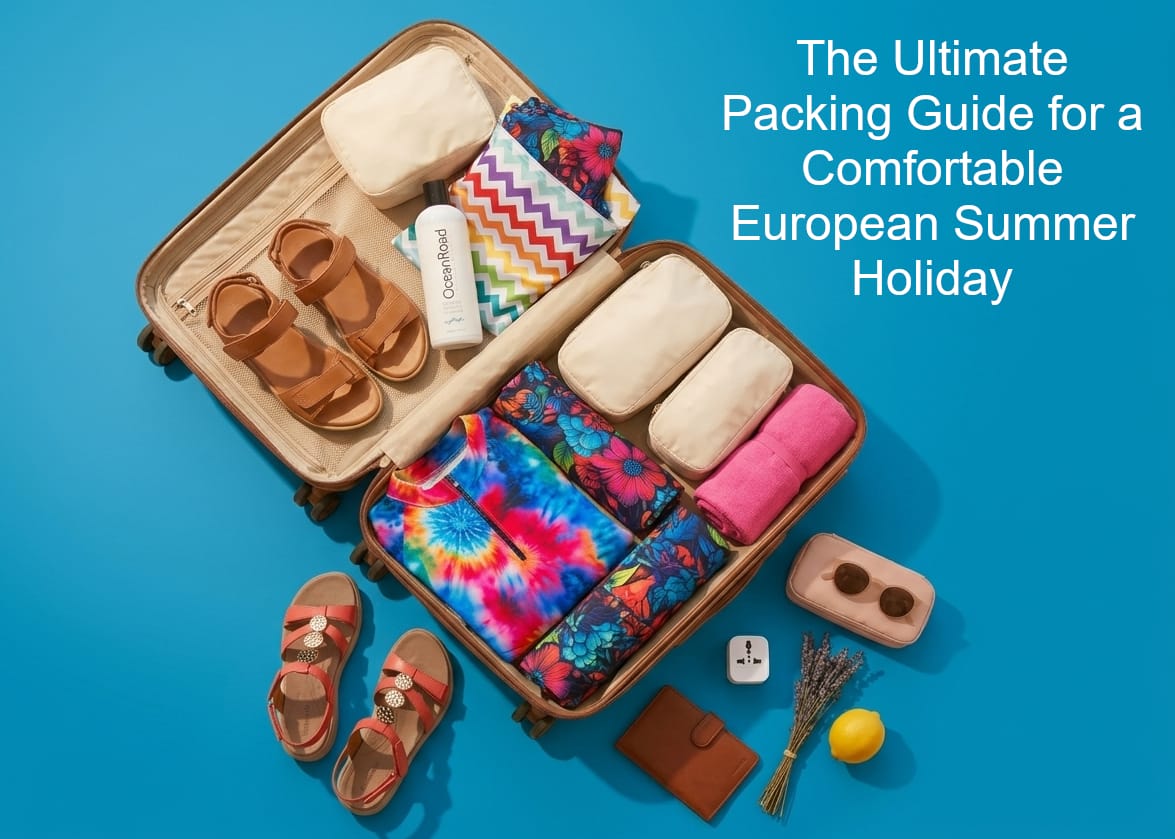
Here is a practical packing guide designed for women who want to feel comfortable, confident and prepared while making the most of a European summer holiday.
The quick packing list
If you only skim one section, start here:
Three pairs of shoes: a supportive walking sneaker, an adjustable walking sandal and a comfortable dressier sandal or flat.
Three swimwear options: one for swimming, one for sun protection and one that makes you feel relaxed and confident around the pool or beach.
A good universal adapter and power bank. Packing cubes and a simple packing system. A lightweight cover up, refillable water bottle, laundry bag and reef-safe sunscreen. Comfortable travel clothes and your bulkiest shoes worn on the plane. Test everything before you leave.
1. Comfortable shoes make all the difference
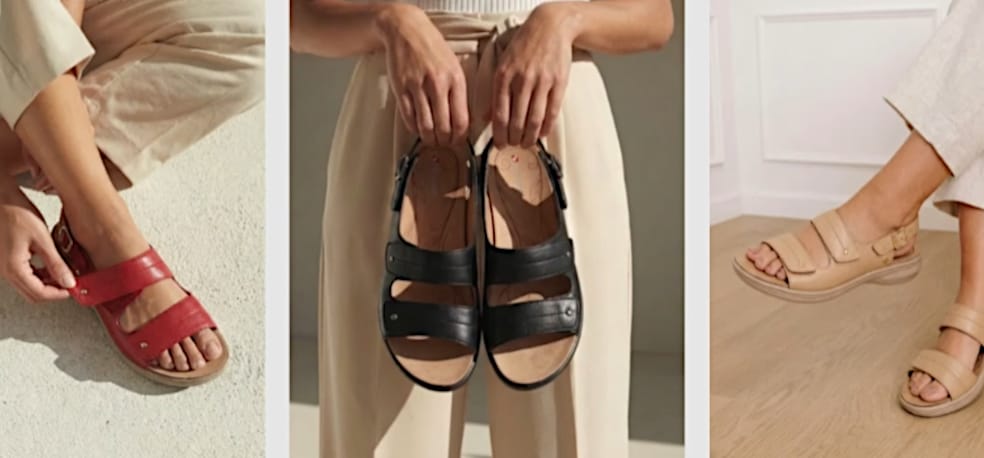
“If there is one thing worth investing in before Europe, it is supportive footwear.”
European holidays often involve far more walking than expected. It is not unusual to walk 15,000-20,000 steps in a day without really noticing until your feet remind you later. Many European cities are built around stone streets, uneven paths and steep hills, so comfort matters more than fashion trends.
A supportive walking sneaker
For busy sightseeing days, a cushioned sneaker with proper support is essential. Ideally, it should already be well worn in before your trip begins. The The Comfort Co’s Vitasole walkers are designed for exactly this type of travel, with cushioning, breathability and support that works well for long walking days.
A walking sandal you can wear all day
A good walking sandal should have adjustable straps, a supportive footbed and enough stability that you are not gripping with your toes while walking. The Revere range from The Comfort Co was created with travel comfort in mind, particularly for women wanting support without sacrificing style. with leather uppers and removable footbeds (handy if you wear an orthotic). Styles like Geneva and Miami earn their place
A comfortable sandal for dinners and evenings
European evenings often involve long dinners, waterfront walks and plenty of standing around chatting. A low wedge or dressier flat can give you the flexibility to dress up slightly without dealing with uncomfortable heels. The Mia Vita sandal collection from The Comfort Co combines comfort with a more elevated look, making it easy to transition from sightseeing to dinner. The Ayla and Bettina styles travel particularly well because they fold flat and weigh almost nothing. Three pairs covers you.
2. Swimwear that swims, suns and travels with you
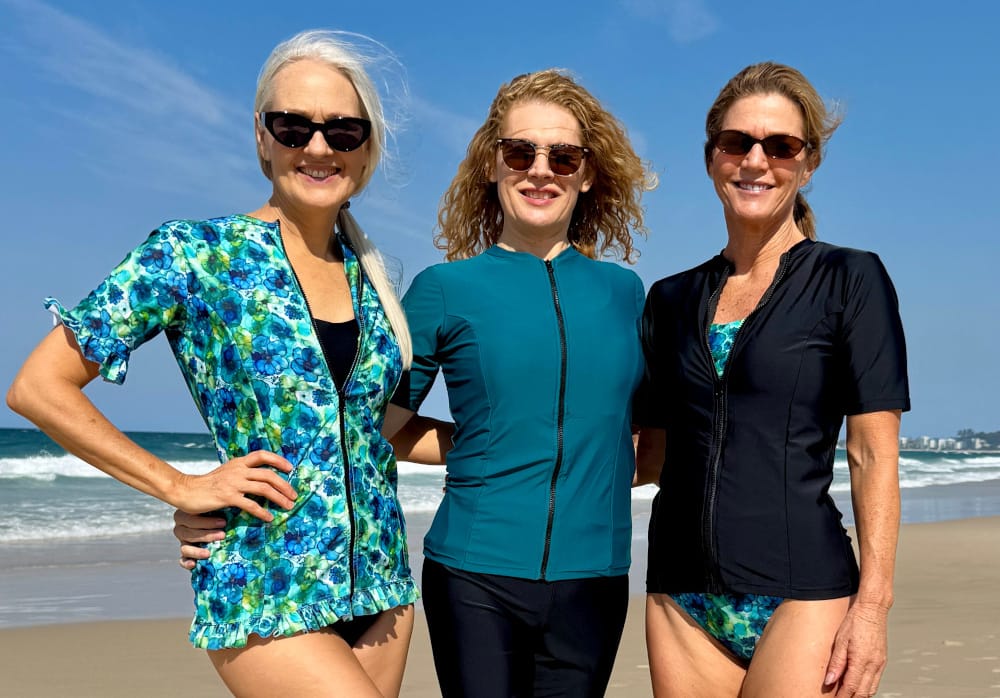
“Two swimsuits is the minimum. Three is usually ideal.”
European summer holidays often revolve around water. Hotel pools, beach walks, cruises, thermal spas and seaside afternoons all call for swimwear that feels genuinely comfortable to wear for long stretches of the day.
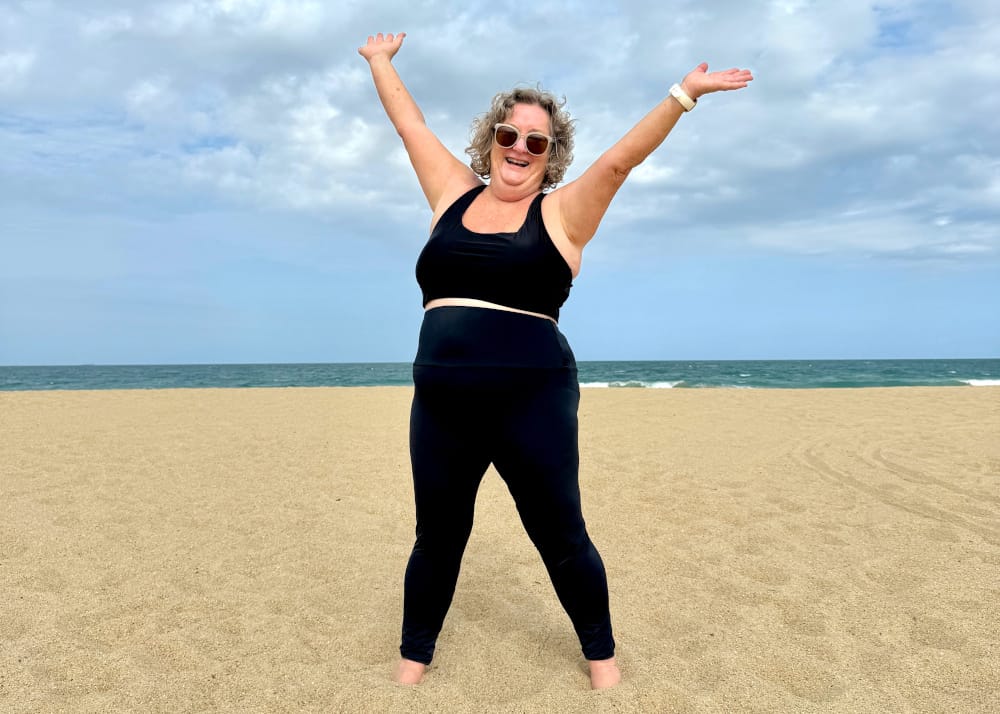
For many women, especially those who prefer more coverage, support or inclusive sizing options (including plus size swimwear), swimwear becomes one of the most important parts of the suitcase. It is not just about style, but about feeling comfortable in your body, confident in your choices and able to enjoy the experience without constantly adjusting your swimwear or worrying about feeling exposed.
One for swimming and water activities
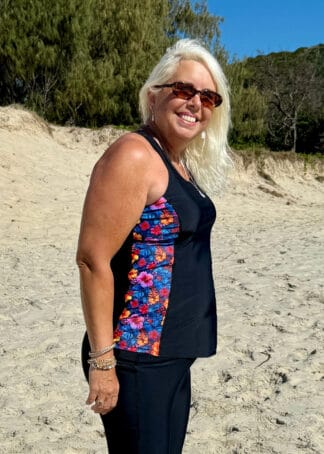
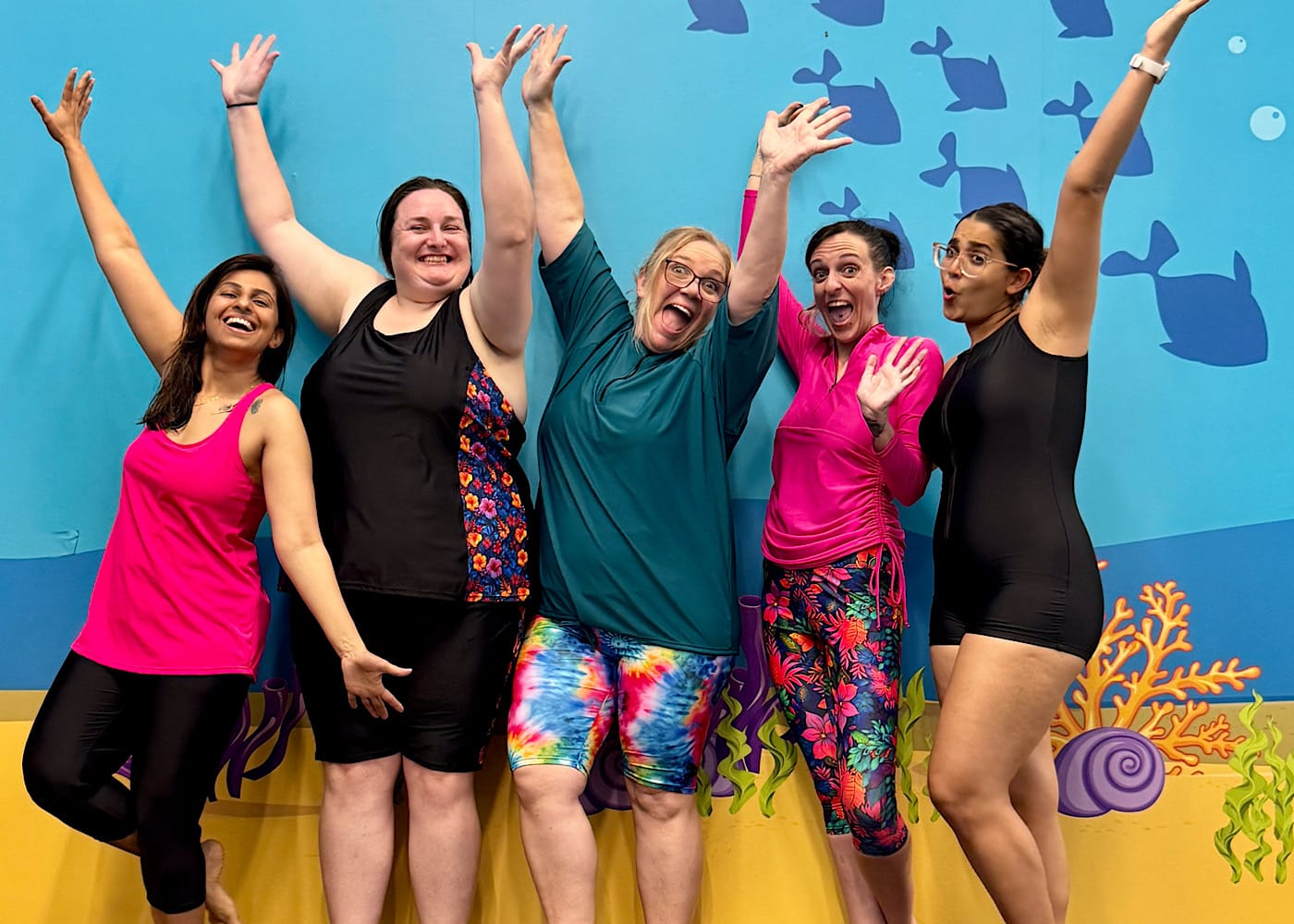
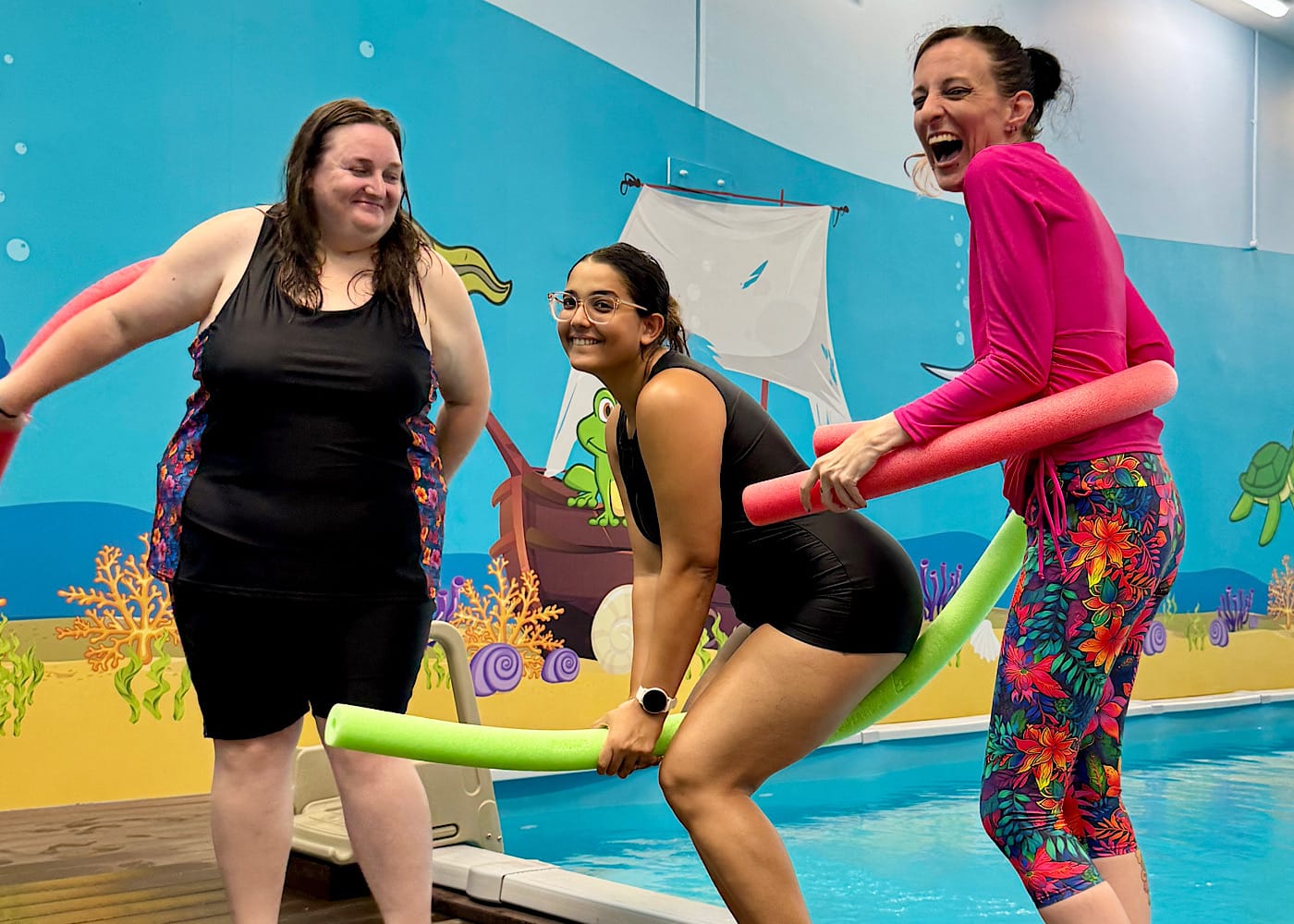
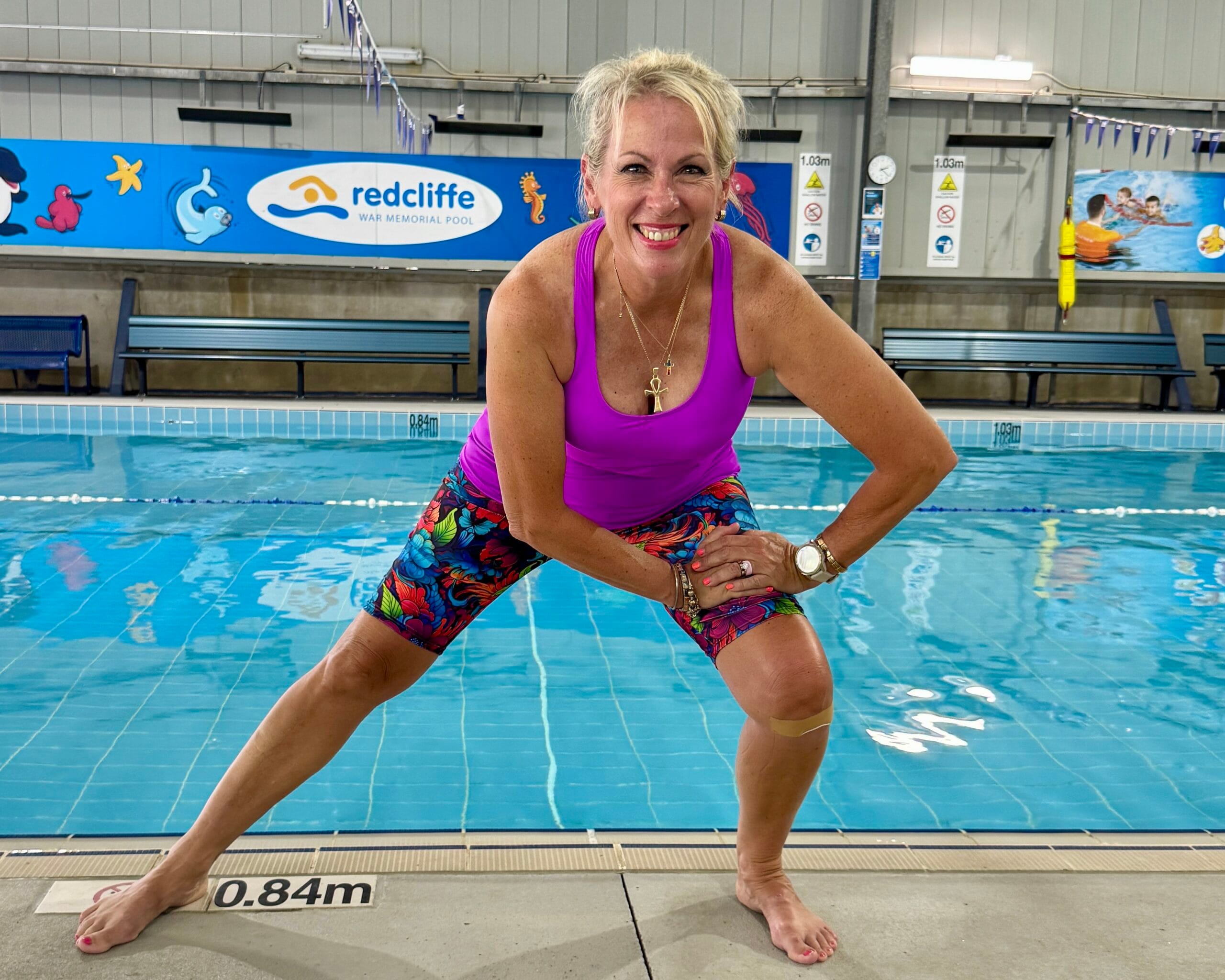
A supportive swimsuit or chlorine resistant tankini paired with swim shorts earns its place quickly when you are swimming regularly. Chlorine resistant swimwear lasts significantly longer than standard swimwear, which matters when you are spending weeks in hotel pools, spas and resort swimming areas.
Choosing swimwear with more coverage can also remove a lot of holiday anxiety. When you are comfortable, you are far more likely to actually enjoy the experience instead of worrying about adjusting straps or feeling exposed.
One for sun protection
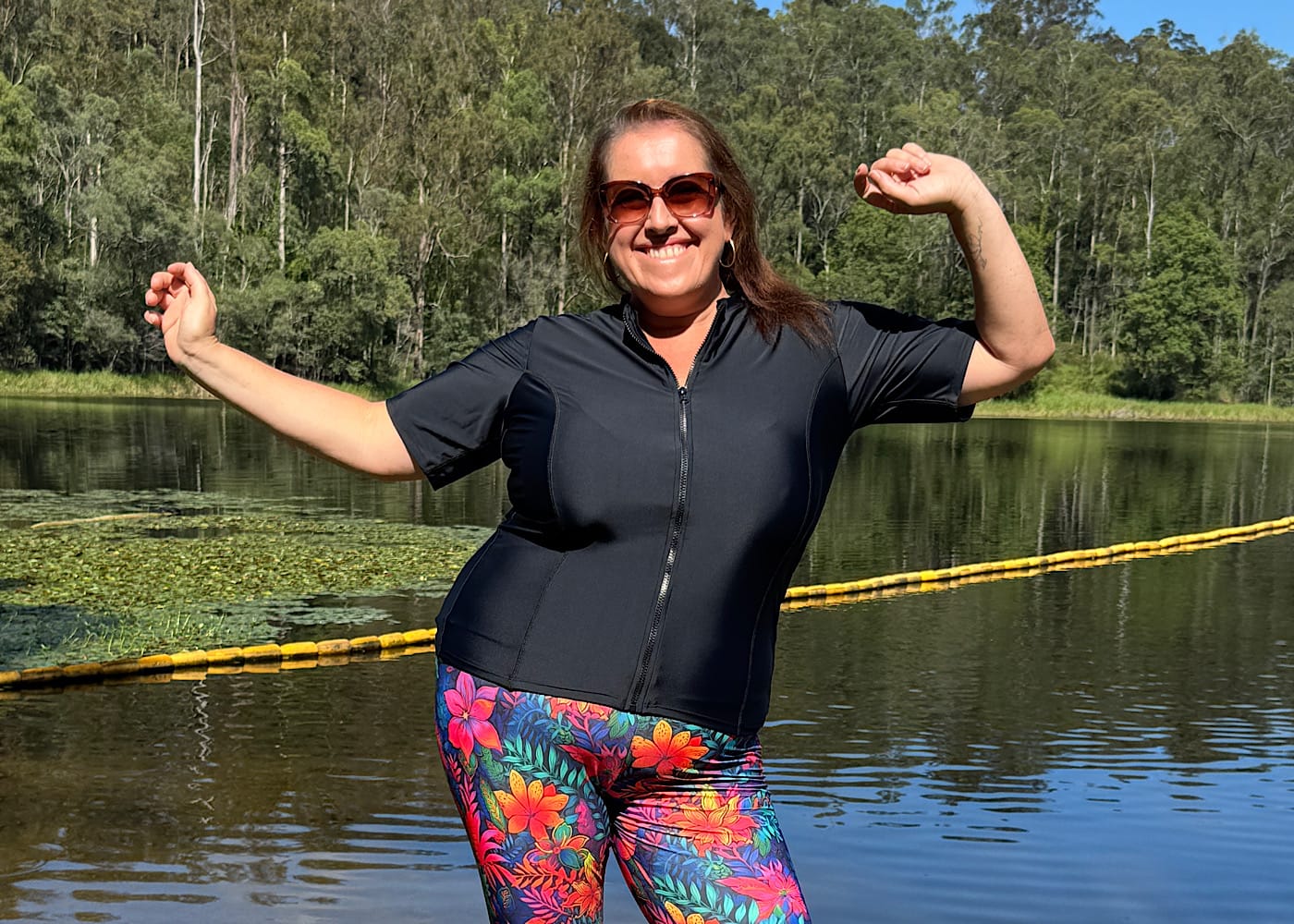
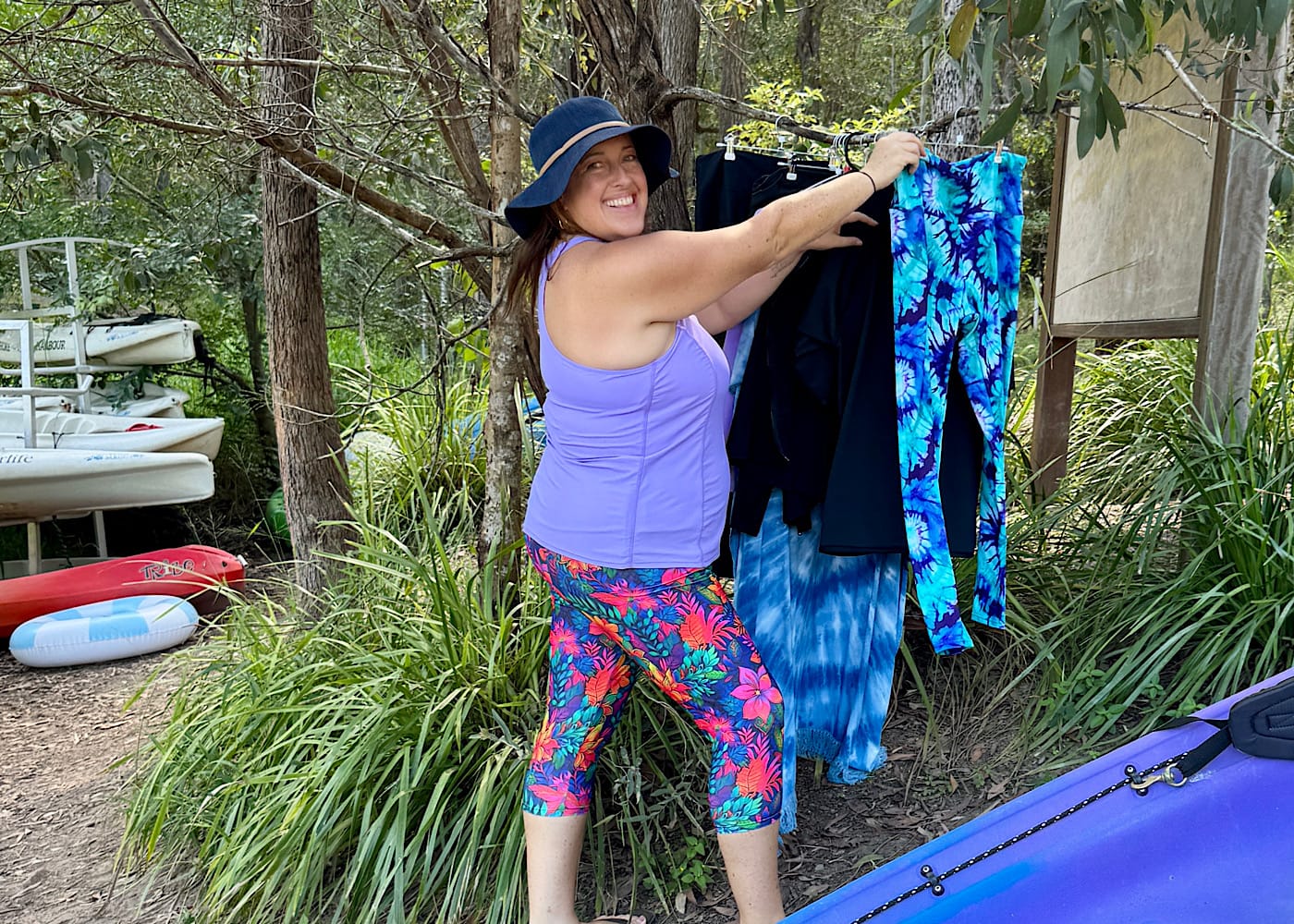
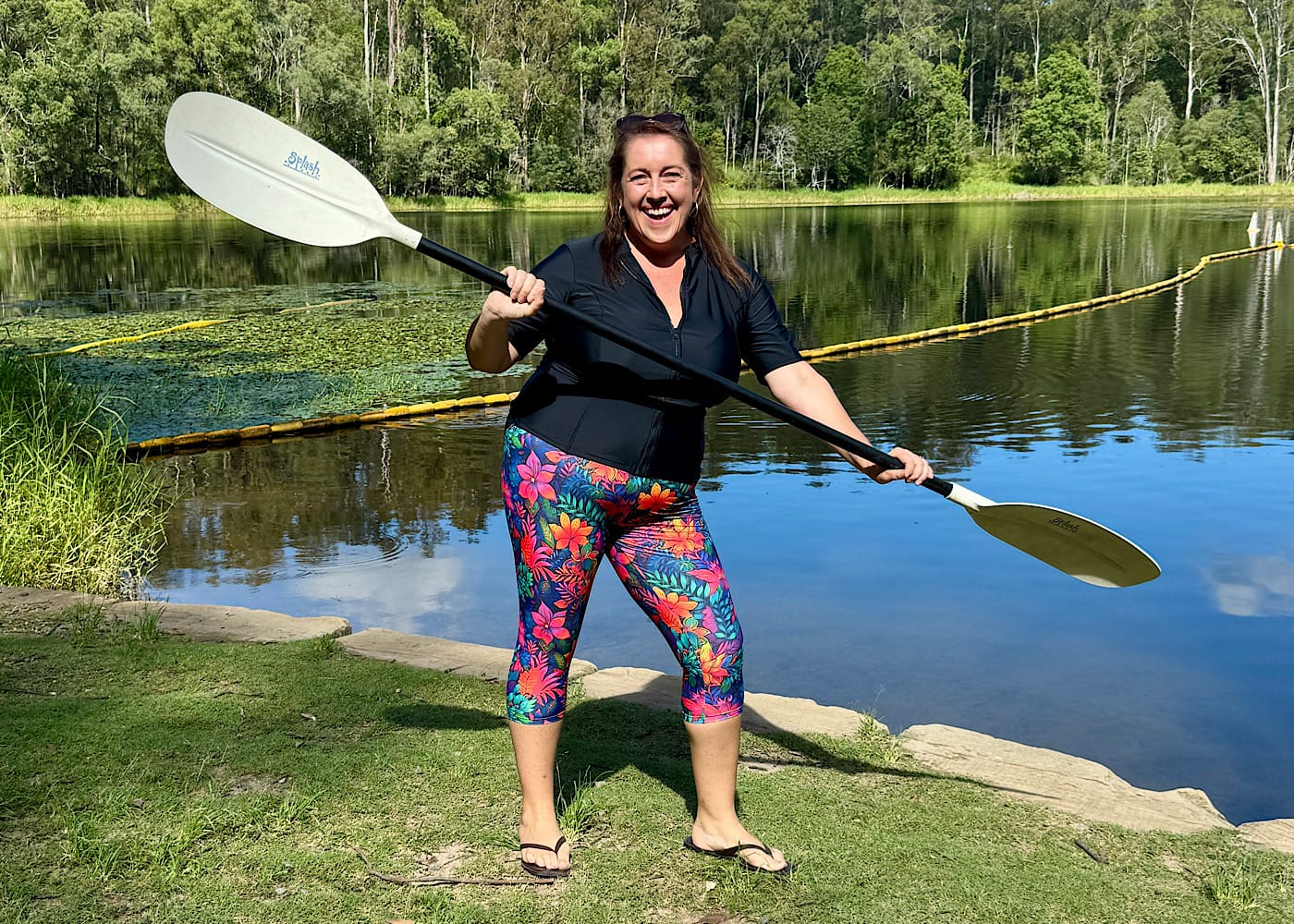
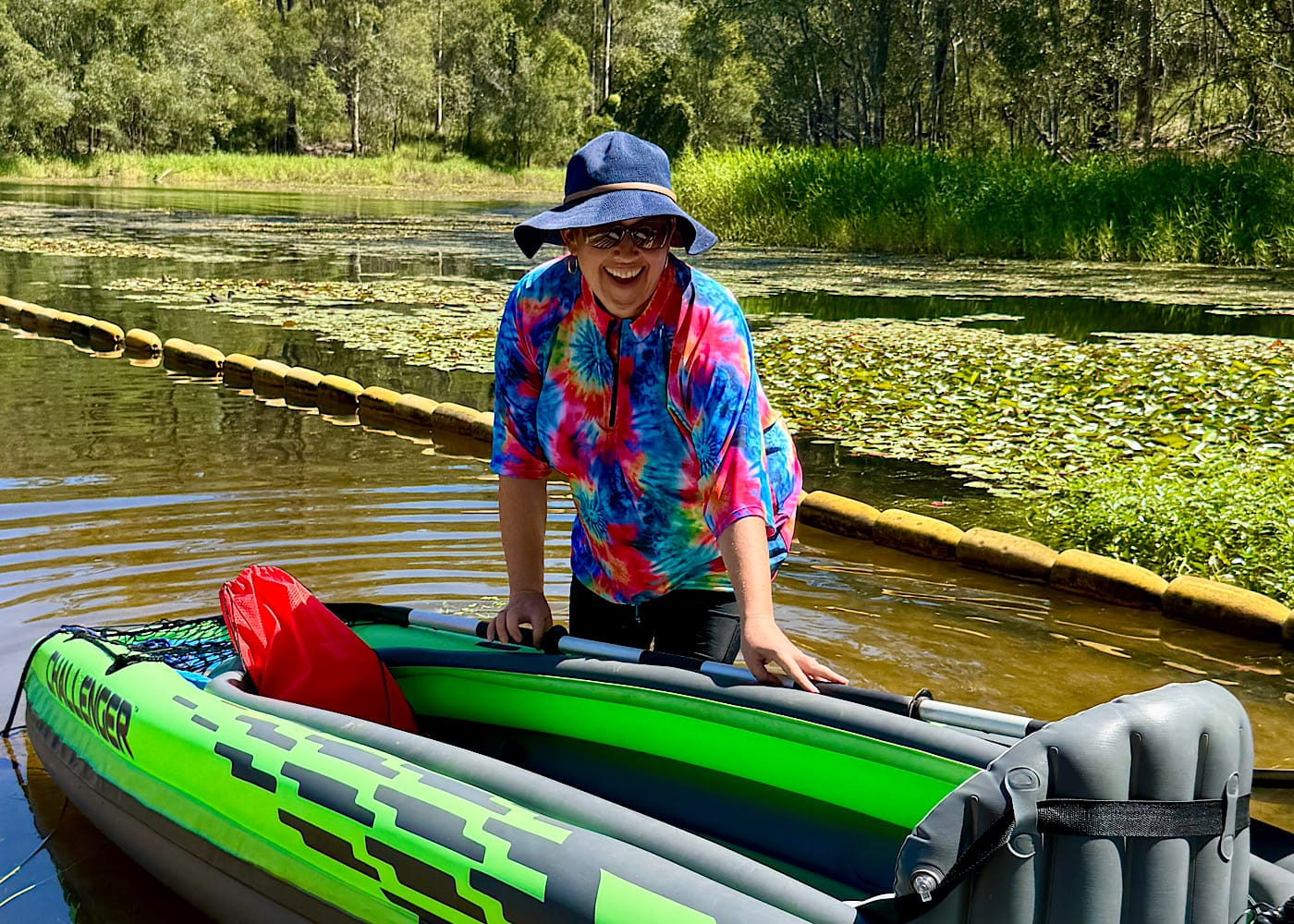
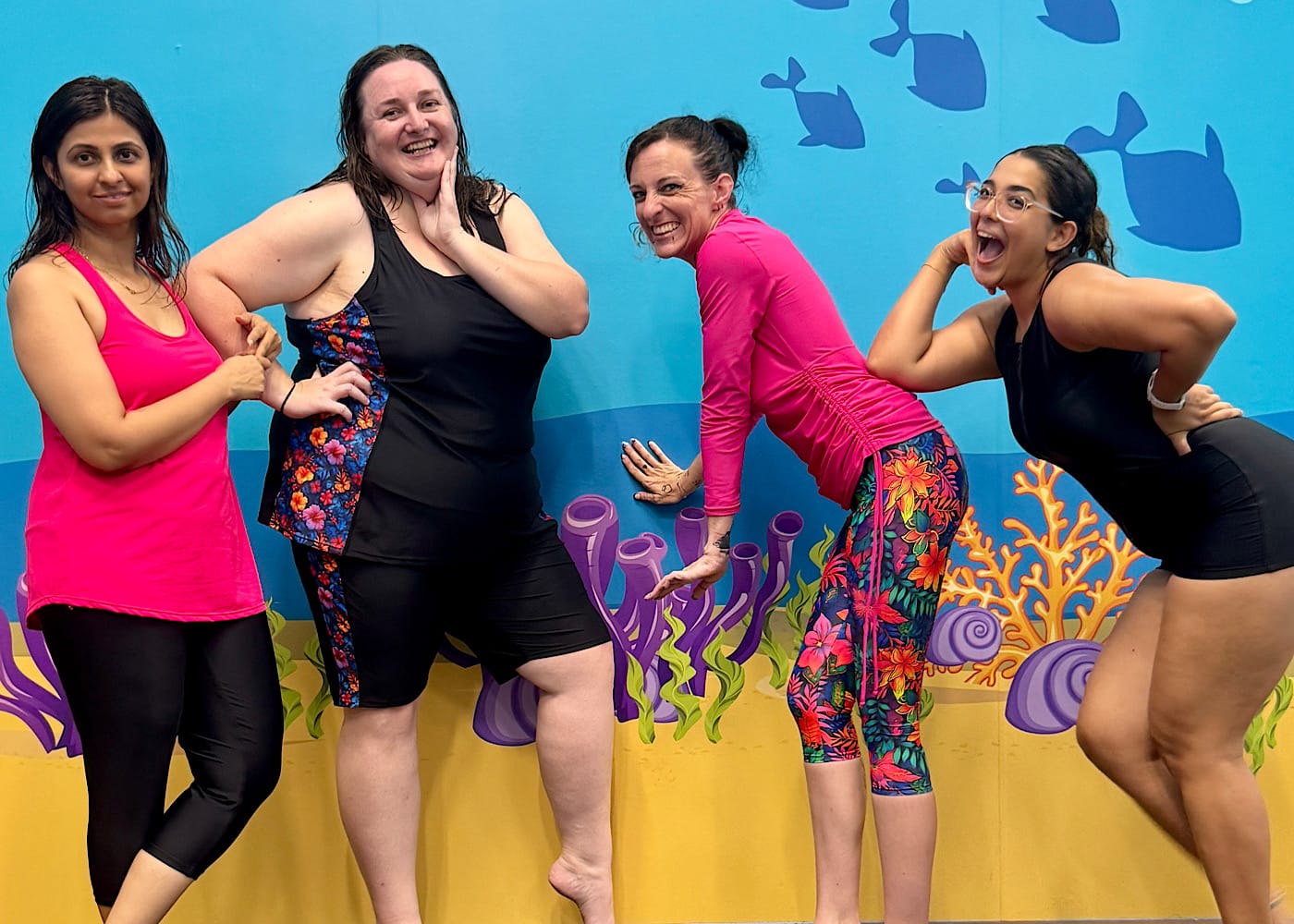
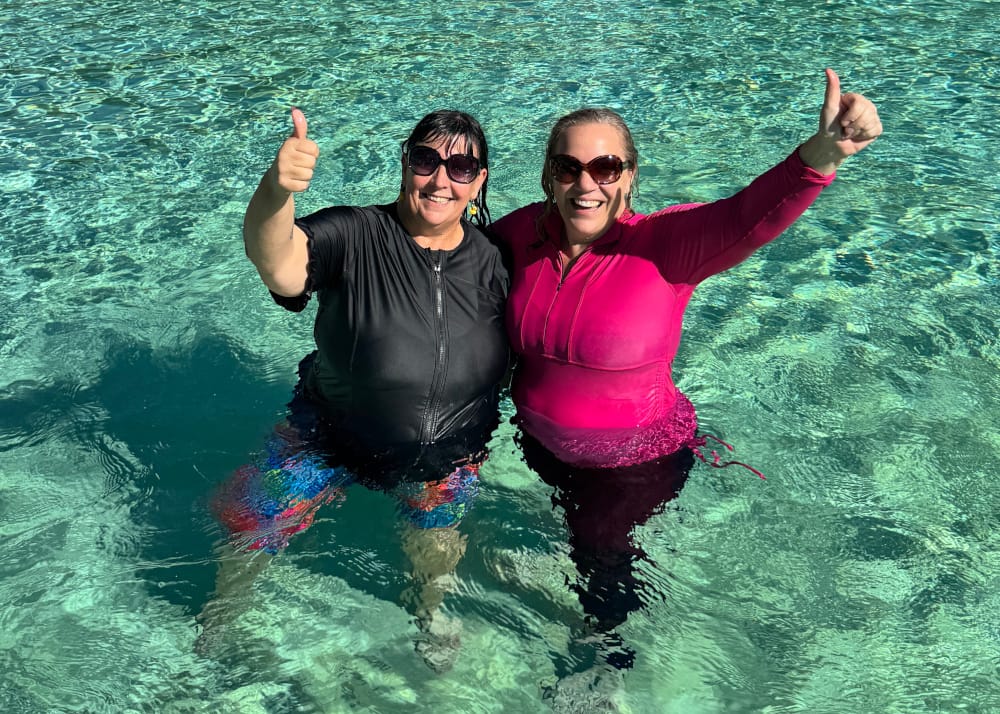
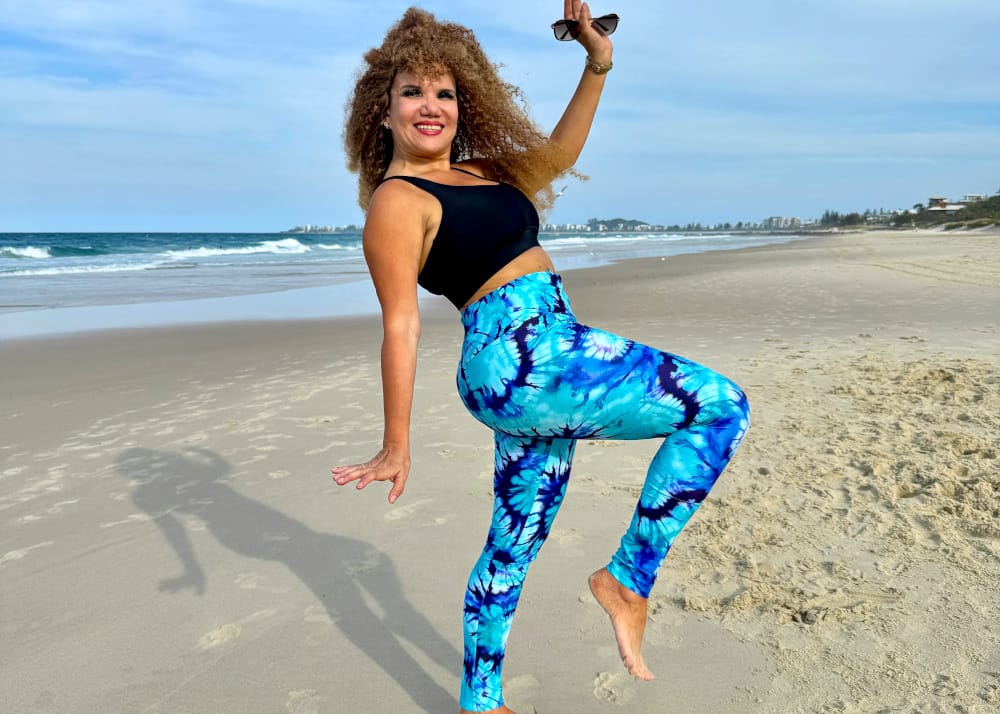
The Mediterranean sun can be intense, especially during long beach days or boat trips. A UPF 50+ rashie layered over swimwear can make a huge difference when it comes to protecting shoulders, chest and arms from sun exposure. Many women also find that options like swim leggings and long sleeve rashies allow them to stay outdoors longer while feeling more comfortable and protected.
One that simply makes you feel good
This is the swimwear you feel relaxed wearing around the pool, on a resort balcony or while walking to lunch after a swim. For many women, feeling comfortable and confident in swimwear changes the entire holiday experience. When your swimwear fits well and offers the level of coverage you personally prefer, you spend less time worrying about your body and more time enjoying the moment.
The supporting extras
A lightweight resort cover up is one of the most useful things you can pack. It makes moving between the pool, beach, cafés and hotels feel effortless while giving you extra coverage when you want it. A waterproof swim bag is another underrated travel essential. Wet swimmers go in, everything else stays dry.
One more thing worth mentioning. Mediterranean and Greek beaches are often pebbly rather than sandy. A pair of water shoes takes up very little room and makes getting in and out of the water far more comfortable.
3. Chargers, adapters and practical travel tech
Nothing flattens a holiday faster than a dead phone when you are trying to navigate a foreign city.
A proper universal adapter: Europe uses different plug types depending on the country, so a quality universal adapter is worth the investment. Choose one with USB-A and USB-C ports so you can charge multiple devices at once.
A portable power bank: A 10,000 mAh power bank is usually enough for a full day out exploring.
Short charging cables: Shorter cables are easier to pack and far less annoying to untangle.
Noise cancelling headphones: Long flights, busy airports and early train rides become much more manageable with good headphones.
4. How many outfits do you actually need?
Most people pack far more clothing than they end up wearing. For a one to two week trip, packing for around eight to ten days and doing one load of washing midway through usually works perfectly.
Europe is generally very easy for laundry.
Italy and France have self-service laundromats throughout most cities.
Greece and Croatia often offer affordable laundry-by-the-kilo services.
Many Airbnbs and villas include washing machines.
A small packet of laundry sheets or travel detergent can make life much easier.
5. Packing cubes and staying organised
Packing cubes work best when organised by category rather than outfit.
- Tops in one cube
- Bottoms in another
- Swimwear separately
- Underwear and sleepwear together
Rolling clothing instead of folding can also help reduce creasing and save space. Keeping a separate laundry bag for worn clothing helps keep everything organised throughout the trip. And if possible, leave some empty space in your suitcase. Most travellers come home with more than they left with.
6. The little things that make travel easier
Some of the smallest items often make the biggest difference. Helpful additions include:
- A refillable water bottle
- Laundry sheets
- A foldable tote bag
- Compression socks for flights
- A scarf or sarong
- Reef-safe sunscreen
- A small first aid pouch
- A zip-up cross-body bag
- Digital and printed passport copies
7. What to wear on the flight
Long haul flights are far more comfortable when you wear soft layers and supportive shoes. Your bulkiest shoes should be worn on the plane to save luggage space, and loose comfortable clothing is usually far more practical than restrictive outfits. It is also a good idea to keep your swimwear, medication, charger and a spare outfit in your carry-on bag in case your luggage is delayed.
8. The two week rule
Two weeks before your trip, wear everything you plan to pack. Walk in the shoes. Swim in the swimwear. Sit in the clothes for a few hours. If something feels uncomfortable at home, it will usually feel worse after a long travel day in European heat. Breaking shoes in properly and testing swimwear beforehand can save a lot of discomfort once you are overseas.
A final word
European summer holidays are meant to be enjoyed. Packing thoughtfully means you are more likely to spend your time relaxing, exploring and making memories instead of dealing with sore feet, uncomfortable swimwear or overpacked luggage.
Choose pieces that help you feel comfortable, confident and prepared, and your holiday becomes far easier to enjoy.
About The Comfort Co
The Comfort Co is an Australian wellness footwear group behind Revere, Mia Vita, Vitasole and Scholl. Their footwear focuses on comfort, support and practical everyday wear designed for travel and long days on your feet.
About OceanRoad Swimwear
OceanRoad Swimwear designs full to moderate coverage swimwear for women who want to feel comfortable, confident and supported in and around the water. The range includes rashies, swim leggings, tankinis and chlorine resistant swimwear designed for real women and real life water activities.